Introduction
In today's fast-paced globe, parents and instructors typically face one important concern: How can we best sustain the advancement of our children? One answer depends on a basic yet powerful principle-- outside play. As we dig deeper into Exploring Nature: The Role of Outdoor Play in Early Childhood Years Education, we will uncover the myriad benefits that outside experiences use to young kids. From cognitive development to psychological well-being, the function of nature in very early education and learning is vital and commonly overlooked.
Why Exterior Play Matters?
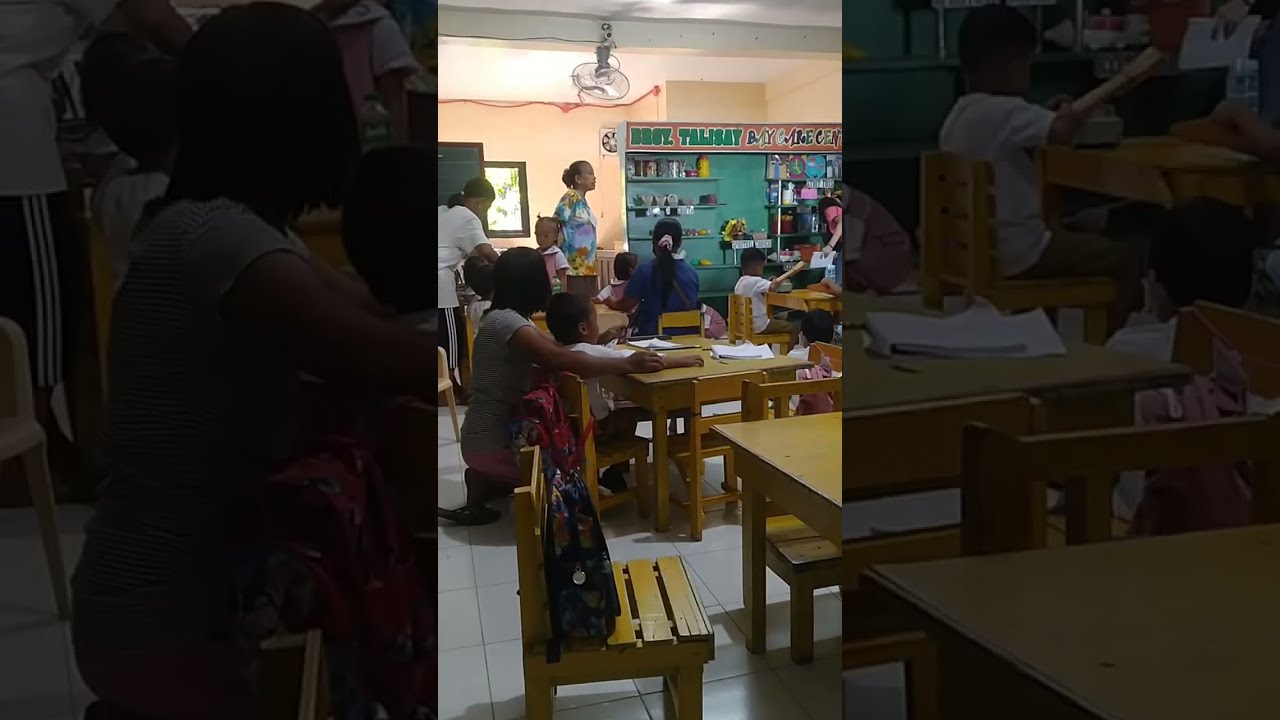
Outdoor play isn't almost letting children cut loose; it's an important component of holistic development. Kids that participate in outdoor activities often tend to be extra literally active, socially adept, and psychologically stable. In a childcare facility or pre-school classes, including outside play can dramatically enrich children's finding out experiences.
https://ameblo.jp/judahfulu348/entry-12951177038.htmlBenefits of Outdoor Play for Young Children
Physical Development
Outdoor play promotes physical health by urging activity, sychronisation, and strength. Whether climbing up trees or operating on the turf, youngsters create gross motor abilities critical for their general growth.
Cognitive Development
Nature boosts inquisitiveness and imagination. Exploratory play outdoors promotes analytic abilities as youngsters navigate their environment. They learn more about cause and effect by trying out natural elements.
Social Abilities Enhancement
Playing outdoors encourages partnership among peers. Youngsters find out to interact successfully and deal with disputes while participating in team activities like video games or building forts.
Emotional Well-Being
The outdoors offers a feeling of freedom and journey that helps reduce stress and anxiety and stress and anxiety degrees in children. Such an environment fosters durability as they experience challenges during play.
Understanding Early Childhood Education and learning Frameworks
What Are the Secret Components?
Early youth education and learning structures stress child-centered learning techniques that incorporate various domain names-- social, psychological, cognitive, and physical development. By integrating outside play right into these structures, educators can produce improving experiences.
The Function of Educators
Teachers have to function as facilitators as opposed to plain teachers throughout exterior activities. Their guidance helps form children's experiences while enabling them to explore freely.
Integrating Outside Play in Day Care Facility Curricula
Strategies for Incorporation
Daily Outdoor Sessions: Allocate particular times for outside exploration. Nature Walks: Arrange short journeys to neighborhood parks or gardens. Gardening Projects: Introduce kids to growing seeds and caring for plants to foster responsibility. Seasonal Activities: Tailor activities according to seasons-- like snowball battles in wintertime or fallen leave accumulating in fall.Safety Considerations
While embracing the outdoors is crucial, safety needs to constantly precede:
- Ensure appropriate supervision. Use age-appropriate equipment. Prepare for climate modifications with ideal clothing.
Exploring Nature: The Role of Outdoor Play in Early Childhood Years Education
The link between outside playtime and very early youth education and learning can not be overstated. Research continually reveals that kids that hang around outdoors carry out better academically than those confined inside your home for extended periods. They create critical assuming skills by questioning their environments--"Why does this leaf adjustment color?" or "How do pests relocate?"
Moreover, disorganized exterior play allows youngsters the freedom to share themselves artistically. With marginal restrictions from grownups, they can invent games and situations that extend their imaginations past books' limitations.
Nature-Based Discovering Activities
Sensory Exploration
Children love sensory activities! Including components like sand, water, mud, or leaves involves different senses while supplying instructional opportunities.
Examples include:
- Water paint on sidewalks Creating mud pies Leaf rubbing art projects
Animal Observation
Encouraging kids to observe wildlife educates them concerning ecosystems and biodiversity:
Set up bird feeders. Create butterfly gardens. Go on "insect hunts" around the playground.Overcoming Obstacles to Exterior Play
Common Obstacles Faced by Educators
Despite the countless benefits of outside play, a number of obstacles could prevent its combination right into early childhood programs:
Limited Space: Not all day care centers have extensive premises available. Weather Constraints: Rainy or excessively hot days can hinder outside activities. Curriculum Pressure: Some instructors feel pressured to cover scholastic material instead of focus on experiential learning.Solutions for These Challenges
Educators can think artistically about getting rid of these obstacles:
- Utilize little rooms properly with upright gardens or container gardening. Plan interior equivalents throughout bad weather-- such as obstacle courses making use of fitness center mats. Blend curriculum purposes with nature motifs (science lessons on plant development).
The Influence of Innovation on Exterior Play
A Double-Edged Sword?
While innovation has transformed numerous elements of our lives-- consisting of education and learning-- it presents both obstacles and chances relating to exterior playtime:
Digital Distraction: Excessive screen time can restrict kids's wish to explore outside. Educational Apps: Alternatively, apps advertising nature-related discovering can improve understanding prior to heading outdoors.Engaging Parents in Nature-Based Education
Parents are important stakeholders when it pertains to promoting appreciation for nature amongst young learners:
Tips for Involvement
Encourage household getaways concentrated on nature exploration (e.g., treking). Share resources about local parks or events celebrating ecological stewardship. Communicate the importance of exterior experiences during regular parent meetings.The Future of Outdoor Play in Early Youth Education
As instructional paradigms shift in the direction of even more alternative approaches emphasizing social-emotional learning together with academics, it's clear that incorporating exterior time remains necessary-- not optional! Schools worldwide are identifying these trends by investing a lot more heavily in all-natural play area layouts which motivate free expedition while making sure safety requirements are met.
Frequently Asked Concerns (Frequently asked questions)
1. Why is outside play vital for young children?
Outdoor play is important for kids's physical health, cognitive development, social skills enhancement, and emotional well-being.
2. How can childcare facilities incorporate even more outside activities?
Daycare facilities can assign everyday time ports for outside sessions, organize nature strolls, present horticulture jobs, and dressmaker seasonal activities based on environmental changes.
3. What safety measures should be taken throughout exterior playtime?
Proper supervision is essential together with age-appropriate devices usage and making sure suitable garments based upon climate conditions.

4. Can innovation influence kids's desire to go outdoors?
Yes! While too much display time may discourage youngsters from exploring outside, particular instructional apps concentrating on nature could motivate them before heading out right into it!
5. Just how do instructors stabilize educational program requirements with the demand for exterior play?
By blending educational program objectives with nature themes (like science lessons on plant growth), teachers can keep academic standards while prioritizing experiential finding out through nature-based activities!
6. Just how can parents sustain their youngster's engagement with nature?
Parents can urge family members getaways focused on nature expedition (treking), share resources regarding neighborhood parks/events commemorating ecological stewardship!
Conclusion
In final thought, exploring nature with outside play is important not just to very early childhood years education yet additionally contributes considerably toward creating well-rounded people ready to deal with life's obstacles head-on! As we've discussed throughout this short article titled " Exploring Nature: The Role of Outdoor Play in Early Childhood Education and learning," making area for disorganized exploration in the middle of structured learning yields important advantages throughout several dimensions-- from cognitive growth completely down emotional durability! So allow's welcome this valuable opportunity today!